

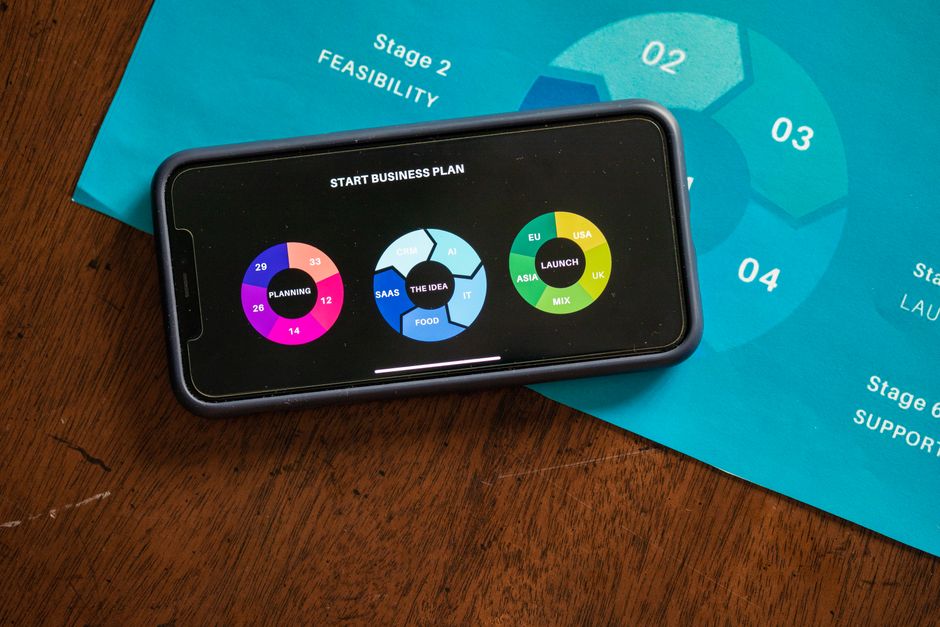
Imagine launching a SaaS or fintech app where the first five seconds determine whether a user stays or leaves. A thoughtfully designed interface and seamless user experience can be the deciding factors between success and silence. As competition intensifies in digital finance and software, custom UI/UX design has shifted from a nice-to-have to a core catalyst for product innovation and growth.
The Strategic Impact of Tailored UI/UX in Fintech
Financial technology platforms operate in a high-stakes environment where trust, clarity, and usability are non-negotiable. Through fintech development services, companies can deliver digital products that comply with regulatory standards and foster user confidence. For example, a custom dashboard that highlights key financial metrics, provides instant feedback, and adapts to user preferences can dramatically reduce friction in complex workflows. Clear navigation, intuitive data visualization, and simplified onboarding processes turn intricate fintech concepts into accessible tools for customers of varying technical backgrounds.
Driving SaaS Differentiation Through Personalized UX
SaaS providers face unique challenges: retaining subscribers, reducing churn, and converting trial users into loyal customers. A generic, template-driven interface may suffice for basic platforms, but leading SaaS solutions invest in custom UI/UX design to deliver experiences that fit their audience’s workflows. Consider a project management tool that tailors notifications, workspace layouts, and reporting features to specific user roles. Adaptive interfaces and context-sensitive help systems can dramatically increase engagement and productivity. These improvements go beyond aesthetics, they embed the product within a user’s daily routine, making switching costs higher and loyalty stronger.
Integrating Blockchain and AI: UI/UX for Emerging Technologies
The rise of blockchain and artificial intelligence in financial and SaaS applications brings new complexity. Custom UI/UX design ensures these advanced technologies remain approachable. For blockchain-based platforms, transparent transaction histories and clear wallet functionality are vital for user trust. In AI-powered apps, surfacing intelligent insights without overwhelming users requires careful interface design. Features like progressive disclosure, contextual explanations, and smart defaults help users leverage powerful tools with confidence. As these technologies evolve, collaborative teams such as Prostrive’s Eindhoven team are setting new standards for intuitive, secure, and transparent user flows that keep pace with technical innovation.
Evaluating the ROI of Custom Design Investments
Investing in custom UI/UX is not purely an artistic decision, it has measurable business impact. SaaS and fintech companies report lower support costs, increased conversion rates, and higher net promoter scores after redesigning critical user flows. Metrics worth tracking include time-to-complete core tasks, error rates during onboarding, and user retention over a defined period following a UI/UX refresh. Businesses weighing the value of design improvements should start by identifying bottlenecks or friction points in their current app and calculate potential gains from even modest enhancements.
Where to Deepen Your Custom UI/UX Strategy Next
For organizations looking to advance their approach, the next logical step is to explore practical case studies or guides on implementing effective design for SaaS and fintech products. These resources can provide benchmarks, frameworks, and examples of measurable impact. If you want to learn more about hands-on projects, Prostrive’s Eindhoven team has contributed to several in-depth analyses on scaling design systems for regulated industries. Reviewing these can help you plan your own roadmap and prioritize UX investments that directly support your business goals.


